Formative Study Frenzy: Why These Days Are Crazy-Making for Medical Device Engineering Teams
You'd think designing a user study for a new medical device would be a breeze, right? Just write up a script, ask all the questions, and watch the data roll in. But if you're an engineer in the medical device world, you know the formative study days are often the most unpredictable, high-stress, and borderline chaotic periods in the product development cycle. Forget smooth sailing, it's more like white-water rafting with a prototype made of duct tape!
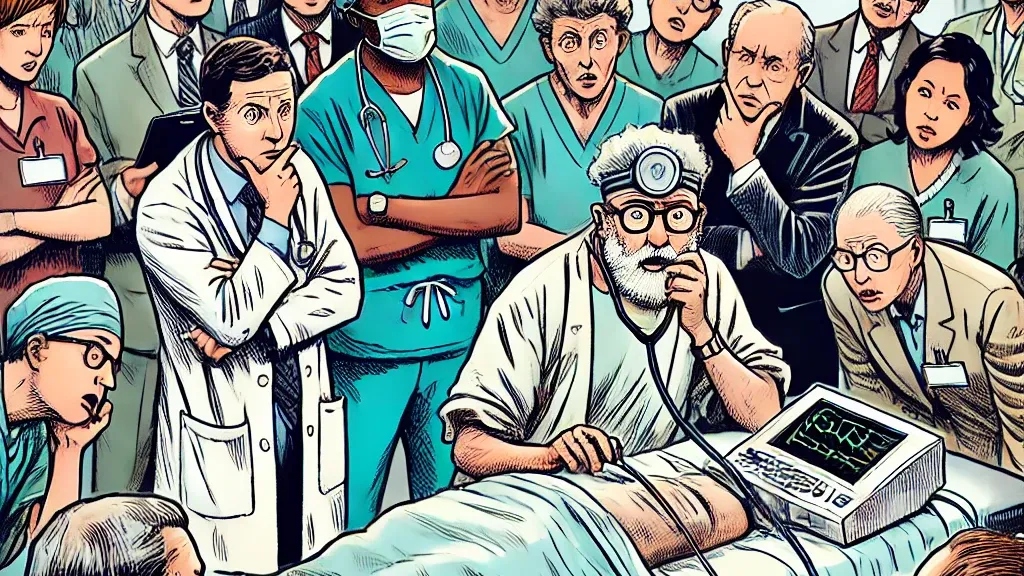
What Exactly Are Formative Studies?
In the context of developing a medical device, a formative study is an essential, early-to-mid-stage evaluation of the device's user interface.
- Unlike the final, formal Summative (or Validation) Study required for FDA submission, a formative study isn't about passing an exam. It's about learning. The goal is to get your evolving prototype in front of real, representative users (nurses, surgeons, patients, etc.) to uncover usability issues, design flaws, and potential use errors before they become catastrophic, costly problems.
- The FDA strongly encourages this iterative human factors approach, because catching a critical error early is far better than having one show up in the final validation study, which can derail your entire submission timeline.
The Stakeholder Politics
One of the biggest sources of stress is the sheer number of people whose goals are riding on this study's success. It's not just the Human Factors (HF) team:
- Engineering Development: They need data to know what to fix in the next design iteration, but they're also holding their breath, hoping their hard work isn't torn apart by a critical use error.
- Marketing & Product Management: They're focused on user delight and validating that the key features are intuitive and meet market needs. They want to see the "wow" moments.
- Regulatory Affairs: They're watching the risk analysis like a hawk, ensuring any identified hazards are documented and properly mitigated, especially for eventual FDA review.
- Manufacturing: They want the design to stabilize soon so they can finalize tooling and scale production. Every study that suggests a major design change is a potential delay and cost increase for them.

The Unofficial Director: The Human Factors Engineer
The person orchestrating the craziness is the Human Factors Engineer. They are part researcher, part diplomat, and part firefighter. During a study, they are:
- Facilitating the sessions: Keeping the participant on track, asking neutral follow-up questions, and ensuring they don't lead the user to a "correct" answer.
- Observing everything: Every pause, every sigh, every misunderstood icon, every mis-step.
- Managing the audience: Making sure the engineers in the observation room don't jump in to explain the UI (a major study foul) and translating technical findings into something actionable.
- Synthesizing in real-time: By the end of day one, everyone is looking at the HF lead and asking, "So, what are we changing?"
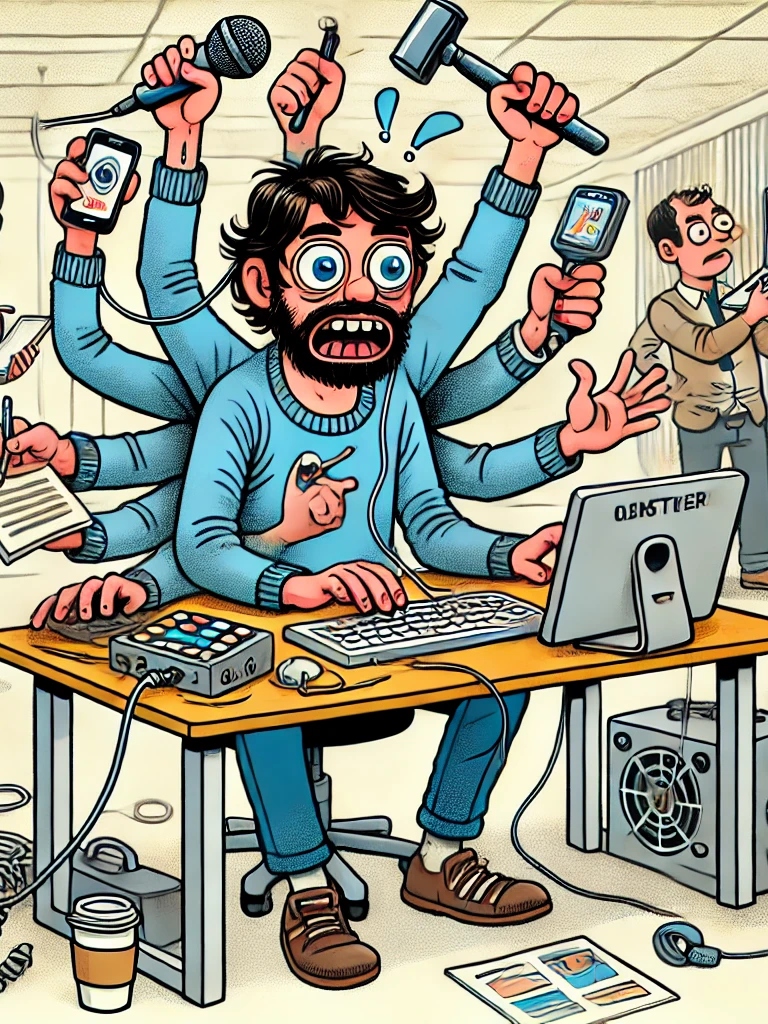
The "Wait, That's Not What I Meant" Moments
Formative studies are often where reality crashes into the theory of the design. No matter how many internal reviews you've done, you will always encounter:
- The Unexpected Tap: A user clicks a static icon, expecting it to be a button.
- The Jargon Gap: A clinical term you thought was universal turns out to be confusing to the study participants.
- The Workflow Workaround: A nurse shows you a "trick" they use to bypass a safety feature because it's too slow.
These moments are gold for the product development team, but they can be bruising for the engineers who built the system.
Why the Multi-Day Frenzy?
It's rarely just one session. Formative studies are often conducted over several days with back-to-back participants. This creates a pressure cooker environment:
- Rapid Iteration: If several users fail at the same task on day one, the engineering team might be back at the lab that night, hacking a "quick fix" for day two's participants.
- Emotional Fatigue: Watching users struggle with your "baby" for 8 hours a day is draining.
- The Pivot: Sometimes day three is where the team realizes the entire core assumption of a feature is flawed, necessitating a major pivot.
Conclusion: Embrace the Chaos
The "frenzy" of formative study days is where the best medical devices are forged. It's high-stakes and high-stress because the consequences, both for the business and for patient safety are high.
So, the next time you find yourself under a desk at 10 PM during a study week, trying to fix a bug for the next morning's 8 AM session, take a deep breath. You're not just in a frenzy, you're doing the critical work that makes medical device engineering both crazy-making and incredibly rewarding.